
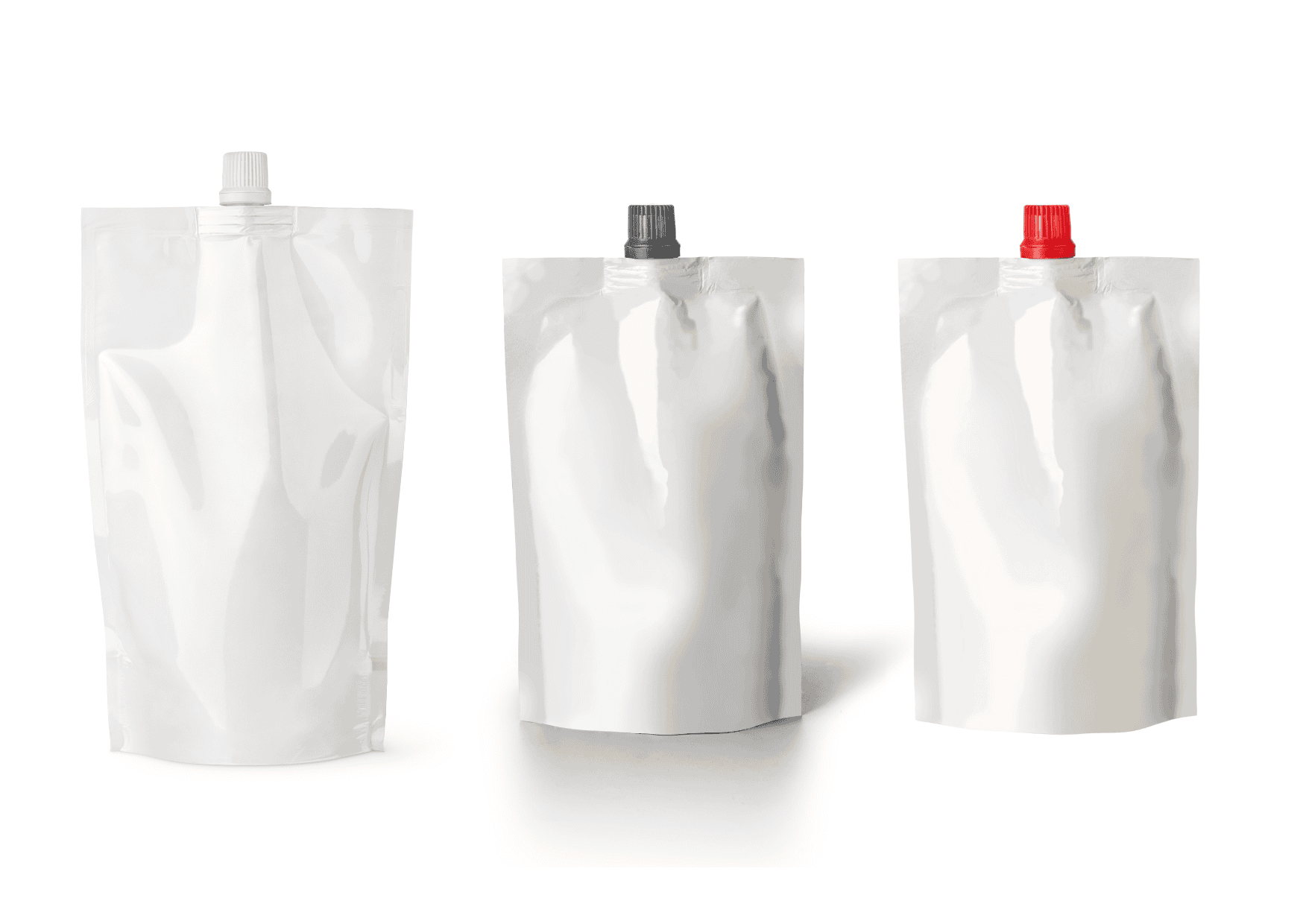
Spout packaging refers to flexible pouch containers fitted with a pouring or dispensing spout, widely used for liquids, semi liquids and pourable products such as juices, sauces and detergents. These pouches are made from multiple laminated films that protect the product while offering convenient dispensing and strong branding surfaces.
The global use of spout pouches continues to grow as brands seek lightweight, space saving and consumer friendly packaging solutions. Choosing the right material is critical because it directly affects product safety, shelf life, sustainability and production efficiency.
This article explains what spout packaging is, the materials used to produce it, how to choose the right structure and what mistakes to avoid.
What is Spout Packaging?
Spout packaging is a form of flexible packaging that uses layered plastic films with a built in spout and cap to allow controlled pouring or dispensing. It is commonly used for beverages, food, cosmetics and household products because it reduces waste, improves convenience and saves storage space.
Unlike rigid bottles or jars, spout pouches combine several material layers, each with a specific function such as sealing, barrier protection and visual appeal.
Key Materials Used in Spout Packaging
Polyethylene (PE)
Polyethylene is typically used as the inner layer of spout pouches. It provides strong heat sealing, moisture resistance and food safety compliance. Its flexibility and low cost make it ideal for many liquid and semi liquid products.
Polyethylene Terephthalate (PET)
PET is usually used as the outer layer. It delivers high strength, clarity and excellent print quality, allowing brands to display graphics and product information clearly.
Polypropylene (PP)
Polypropylene offers higher chemical resistance and durability, making it suitable for cosmetics, detergents and products with more aggressive formulations.
Aluminium Foil
Aluminium foil is used when maximum protection is required. It blocks oxygen, moisture and light, making it suitable for sensitive products such as baby food, sauces and nutritional liquids.
Barrier Films (EVOH and Metallised PET)
EVOH provides strong oxygen protection while allowing some transparency. Metallised PET offers a metallic appearance and high barrier performance for products that require longer shelf life.
How to Choose the Right Material for Spout Packaging
Understand Product Characteristics
The right material depends on what is inside the pouch. Acidic beverages, oils and chemical products all interact differently with packaging materials, so chemical compatibility and barrier protection must be assessed first.
Consider Barrier Requirements
Barrier protection keeps products fresh and safe. Oxygen, moisture and light can damage flavour, texture and nutritional value, so the packaging structure must match the product’s sensitivity.
| Barrier Need | Recommended Materials |
| Oxygen protection | Aluminium foil, EVOH |
| Moisture protection | PE, PET, PP |
| Light protection | Aluminium foil |
| Heat resistance | PET, Nylon |
Ensure Production Compatibility
Materials must work with filling and sealing equipment. Laminated films should provide strong seals, good puncture resistance and smooth processing at high production speeds.
Account for Sustainability
Many brands now prefer mono material or recyclable structures. Using PE or PP based laminates can improve recyclability while still providing adequate performance for many applications.
Balance Cost and Performance
High barrier materials extend shelf life but increase cost. Lower cost films reduce packaging expenses but may not offer the same level of protection. The correct balance depends on product value and market expectations.
Material Comparison Table
| Material | Main Benefits | Best Uses |
| PE | Strong sealing, flexible, affordable | Water, juices, everyday liquids |
| PET | High strength, premium print quality | Branded beverages and retail products |
| PP | Chemical resistance, durability | Cosmetics and cleaning products |
| Aluminium foil | Maximum barrier protection | Baby food, sauces, sensitive liquids |
| EVOH or VMPET | High oxygen barrier | Coffee, sauces, long shelf life products |
HOEI and Spout Packaging
HOEI supports advanced spout packaging solutions that focus on durability, barrier protection and efficient manufacturing. By using layered film structures that combine PET for strength and PE for sealing, HOEI helps brands achieve consistent product quality, strong shelf presence and reliable performance across global supply chains.
Conclusion
Choosing the right material for spout packaging is essential for protecting product quality, ensuring safety and meeting sustainability goals. By understanding product needs, selecting the correct barrier layers and balancing cost with performance, businesses can create packaging that performs well and builds consumer trust.
For brands looking to improve their packaging strategy, working with experienced suppliers and material specialists is the best next step.



0