
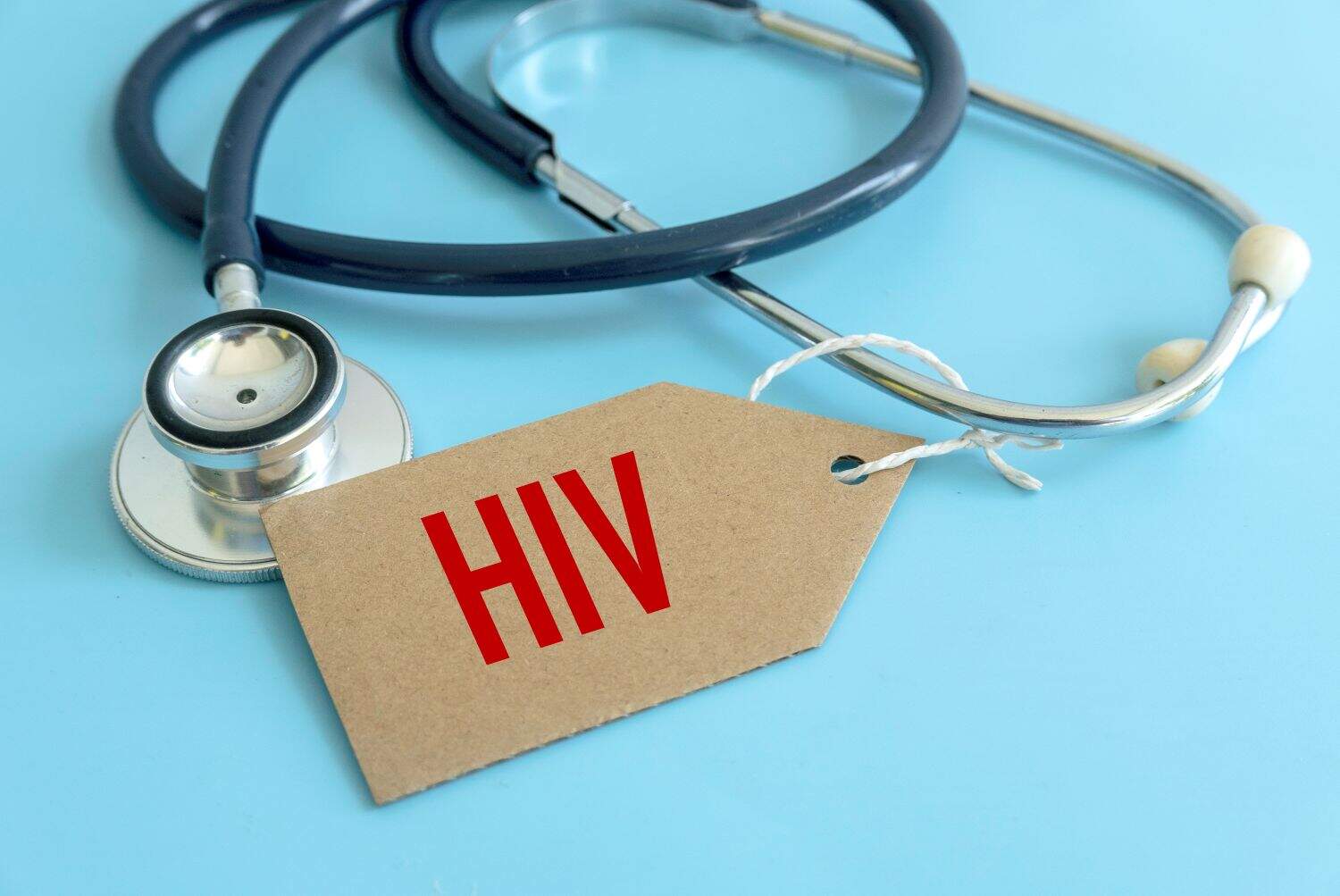
What Are STDs test in Bangkok and Why Do Their Effects Extend Beyond Initial Infection
Sexually transmitted diseases (STDs), also known as sexually transmitted infections (STIs), refer to a group of infections transmitted through sexual contact or exposure to bodily fluids. These infections may be caused by bacteria, viruses, or parasites. A critical characteristic of many STDs is that they often present with no noticeable symptoms in their early stages, allowing the infection to persist unnoticed and untreated.
According to the World Health Organization, more than one million curable STI infections occur every day worldwide. Many of these cases develop into long-term health problems because the infections are left untreated until complications arise. This article examines the long-term consequences of STDs across three key dimensions: infertility, immune-related vulnerability to other infections, and mental health. Together, these perspectives highlight why STDs should be understood as long-term health issues rather than short-term illnesses.
What Are STDs and Why Are They Often Called “Silent Diseases”
STDs are infections transmitted through vaginal, oral, or anal sex. A defining feature of several common STDs, such as chlamydia, gonorrhea, and syphilis, is their tendency to remain asymptomatic during the initial phase of infection.
Public health authorities note that asymptomatic infection is a major reason individuals delay testing and treatment. While symptoms may be absent, biological damage can begin early, progressing quietly until more serious complications appear. This silent progression makes early detection and routine screening essential.
The Biological Mechanisms Behind Long-Term STD Complications
The long-term impact of STDs does not occur suddenly but develops gradually through chronic inflammation.
The process often follows a predictable sequence. The infection enters the body without causing noticeable symptoms. Persistent inflammation develops in reproductive or surrounding tissues. Over time, this inflammation leads to scarring or irreversible tissue damage. Eventually, these changes manifest as long-term complications such as infertility or chronic pain.
This mechanism explains why many STDs are diagnosed only after damage has already occurred.
Infertility: The Most Common Long-Term Consequence of STDs
How STDs Damage the Reproductive System
Infertility is one of the most well-documented long-term outcomes of untreated STDs test in bankok, particularly among women. Infections such as chlamydia and gonorrhea can ascend from the cervix into the upper reproductive tract, resulting in pelvic inflammatory disease (PID).
Medical data indicate that approximately 10 to 15 percent of women with untreated chlamydia develop PID. PID can lead to scarring of the fallopian tubes, tubal blockage, ectopic pregnancy, and permanent infertility. A major concern is that many PID cases originate from asymptomatic infections, meaning damage may occur without warning signs.
Male Reproductive Health Should Not Be Overlooked
Although infertility related to STDs test in bankok is more frequently discussed in women, men are also at risk. Certain infections can cause inflammation of the epididymis or testes, negatively affecting sperm quality and reducing fertility potential over time.
Immune-Related Effects and Increased Risk of Other Infections
How One STD Can Increase Vulnerability to Others
Long-term consequences of STDs test in bankok extend beyond the reproductive system. Inflammation or lesions caused by sexually transmitted infections can increase susceptibility to other infections, particularly HIV.
Public health research shows that individuals with untreated chlamydia or gonorrhea are more likely to acquire or transmit HIV. Inflammation weakens mucosal barriers, making it easier for viruses to enter the body. In this context, STDs do not directly suppress immunity but create conditions that facilitate additional infections.
Mental Health: An Invisible but Enduring Impact
Psychological Burden Following Diagnosis
Beyond physical health effects, STDs test in bankok diagnoses are often associated with significant psychological distress. Research indicates that individuals diagnosed with STDs test in bankok frequently experience anxiety about their health, feelings of shame or self-blame, and fear of rejection by partners or society.
Studies focusing on individuals who test positive for HPV have found higher rates of anxiety and depression compared to those with negative test results. These emotional responses may persist long after medical treatment is completed.
Stigma and Avoidance of Care
Social stigma plays a critical role in prolonging mental health impacts. Many individuals avoid follow-up testing or medical consultations due to fear of judgment. This avoidance can disrupt treatment continuity, worsening both physical outcomes and psychological stress.
Social Consequences and Quality of Life
When physical and psychological effects intersect, STDs test in bankok can significantly impair quality of life. Long-term consequences may affect intimate relationships, family planning, self-esteem, and daily functioning.
Public health guidelines emphasize that effective STD management must extend beyond clinical treatment. Comprehensive care should include follow-up, education, and stigma reduction to minimize long-term individual and societal harm.
Strategies to Reduce Long-Term Risk
Although the long-term effects of STDs can be severe, risk can be significantly reduced through practical measures. These include regular sexual health screening even in the absence of symptoms, timely medical treatment following diagnosis, simultaneous treatment of sexual partners to prevent reinfection, and attention to mental well-being through open communication and professional support.
Early awareness and intervention remain the most effective tools for protecting long-term health.
STDs Are Not Temporary Issues but Long-Term Health Concerns
STDs test in bankok often begin silently and may appear insignificant at first. However, medical evidence consistently shows that untreated infections can lead to lasting physical, immunological, and psychological consequences.
Viewing STDs through a long-term health lens, rather than as short-lived conditions, encourages earlier testing, more responsible care, and better health outcomes. In doing so, individuals can protect not only their present well-being but also their future quality of life.




0