
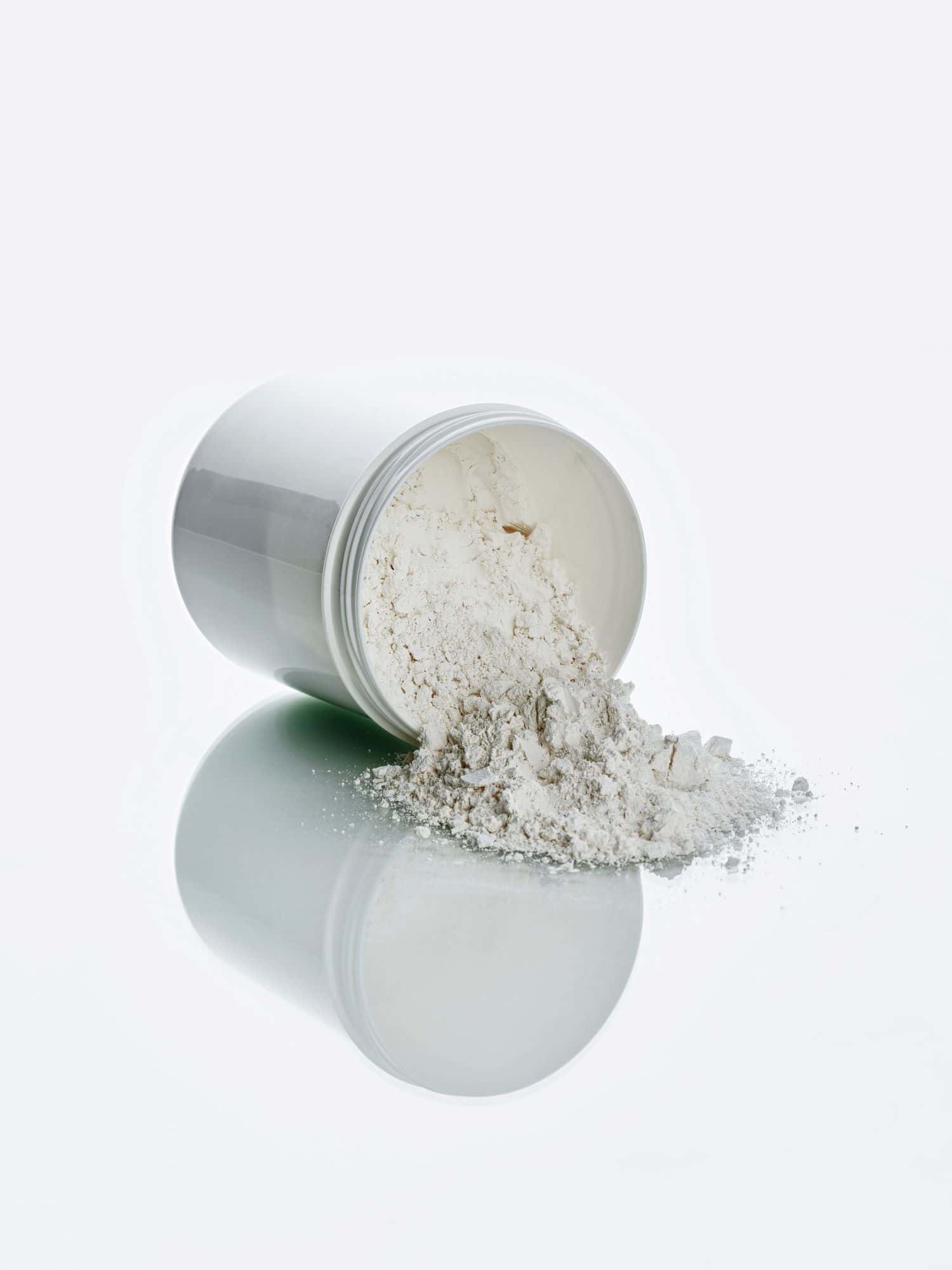
When we search for zinc oxide suppliers, we’re not just buying a white powder, we’re sourcing a functional ingredient that directly affects product performance, regulatory compliance, and cost. Zinc oxide plays roles across rubber, ceramics, paints, pharmaceuticals, sunscreens, and electronics, and each application demands different grades, particle sizes, and documentation. In this guide we’ll walk through types and grades, supply chain origins, supplier-evaluation criteria, commercial steps for engagement, sustainability concerns, sourcing channels, and the red flags we’ve learned to watch for. Our aim: give procurement and technical teams a practical checklist so they can move from shortlist to reliable supply without surprise downtime or compliance headaches.
Overview of Zinc Oxide Types and Grades
Common Grades and Their Applications
Zinc oxide comes in multiple commercial grades tailored to end use. The main categories we encounter are:
- Technical (or chemical) grade: broadly used in rubber compounding, paints, and basic ceramic glazes. It offers consistent chemistry at a competitive price.
- High-purity / electronic grade: required for semiconductors, varistors, and high-performance ceramics where trace-impurities can alter electrical behavior. Typical purity is 99.9%+.
- Cosmetic / USP / Pharmacopoeia grades: formulated and tested to meet skin-contact and pharmaceutical standards: used in sunscreens, ointments, and baby products.
- Nano and specialty functional grades: engineered for specific optical, antimicrobial, or UV-blocking properties: used in advanced coatings, cosmetics, and some medical devices.
Understanding the intended application is the first filter when we evaluate zinc oxide suppliers because it determines acceptable impurity levels, particle size distribution, and documentation requirements.
Physical Forms: Powder, Nanopowder, And Dispersion
Zinc oxide is supplied in several physical formats:
- Bulk powder: conventional micrometer-scale particles packaged in bags or supersacks. Easy to handle for compounding and bulk processing.
- Nanopowder: engineered at the nanoscale (often <100 nm) for enhanced UV absorption, optical clarity, or catalytic behavior. Requires specialist handling and safety data.
- Aqueous or solvent-based dispersions: used when pre-dispersed ZnO is needed for paints, inks, or cosmetics to improve rheology and reduce agglomeration during formulation.
We recommend confirming the form matches your processing equipment: switching from powder to dispersion midstream can force costly rework.
Key Technical Specifications to Check
When we evaluate material data sheets, we focus on specs that materially affect performance:
- Purity (%) and listed impurities (e.g., Pb, Cd, As, Hg) especially for electronics and cosmetics.
- Specific surface area (m2/g) and particle size distribution (D10/D50/D90), critical for reactivity and UV performance.
- Moisture content, loss on ignition (LOI), and bulk density, these affect dosing and mixing.
- Surface treatment or coating (e.g., stearates, silanes) which changes dispersibility and compatibility.
- pH (for dispersions), viscosity, and shelf life.
- Certificates: COA (certificate of analysis), batch traceability number, and where applicable, pharmacopoeial compliance.
We always cross-reference COAs with independent test results when product performance is mission-critical.
Where Zinc Oxide Comes From: Supply Chain Basics
Primary Production Regions and Export Hubs
Zinc oxide is produced globally, but production and export concentrations matter. Major producing regions include:
- Asia: China is the largest producer and exporter, supplying a wide range of grades at competitive prices. India also has sizable production for industrial grades.
- Europe: producers tend to focus on higher-purity and specialty grades, with strong environmental controls.
- North America: smaller volumes but reliable supply for pharmaceutical and electronic-grade ZnO.
We’ve noticed lead times and pricing volatility often trace back to regional policies, energy prices, and shipping constraints, so origin matters.
Upstream Sourcing: Raw Materials and Feedstocks
Zinc oxide is commonly produced via two industrial routes: the direct (French) process from metallic zinc vapor oxidation, and the indirect (roasting) route from zinc concentrates and ores. The choice affects impurity profiles and particle morphology.
Feedstocks, refined zinc metal, concentrates, or recycled zinc, influence both cost and trace impurities. Suppliers should disclose feedstock sources because downstream contamination risk (e.g., heavy metals) often originates upstream.
Distribution Channels: Manufacturers, Traders, And Distributors
We typically see three distribution models:
- Direct manufacturer sales: best for volume buyers who need traceability and custom specs.
- Traders/agents: useful for sourcing a range of grades quickly but may add opacity on origin unless they provide clear documentation.
- Distributors: often hold inventory and provide smaller MOQs (minimum order quantities), technical support, and local certification assistance.
Choosing the right channel depends on our volume, technical needs, and tolerance for supply-chain opacity.
Criteria For Evaluating Zinc Oxide Suppliers
Quality Assurance: Certificates, Testing, And Traceability
Quality assurance is non-negotiable. We expect suppliers to provide:
- A current COA for each batch, with signatures and lab accreditation where possible.
- Traceability: batch numbers linked to production logs, raw-material lot numbers, and processing parameters.
- Independent third-party test reports on demand (ICP-OES/MS for elemental impurities, XRD for crystallinity, BET for surface area).
We also look for documented change-control processes, suppliers must notify buyers when a process or feedstock change can alter the material.
Capacity, Lead Times, And Reliability
Assess production capacity relative to our annual needs and how suppliers handle demand spikes. Key questions we ask:
- What is typical lead time for our grade and quantity?
- Can they scale quickly for emergency orders?
- Do they maintain safety stock or offer consignment?
Suppliers who can’t demonstrate stable lead times or have no contingency plan are risky for production-critical applications.
Pricing Structure, MOQ, And Contract Terms
Price isn’t just per-ton cost. We analyze:
- Price anchors (FOB, CIF, EXW) and whether pricing is fixed, indexed to metal markets, or subject to fuel surcharges.
- MOQ flexibility, smaller MOQs are helpful during testing phases: long-term contracts often bring better pricing.
- Cancellation, warranty, and liability clauses. We insist on clear specifications tied to acceptance tests to avoid disputes.
Regulatory, Safety, And Environmental Compliance
Depending on application, suppliers must comply with:
- REACH and CLP in Europe for chemical substances.
- FDA or USP requirements for pharmaceutical/cosmetic grades in the US.
- Local transport safety regulations for hazardous powders, and appropriate SDS (safety data sheet) versions.
We verify that suppliers maintain up-to-date registrations and can provide evidence of compliance.
Commercial Considerations When Engaging Suppliers
How To Request Samples, Specs, And Test Reports
When we request samples, we provide a clear technical brief: required grade, particle size targets, intended application, and acceptance tests. This helps suppliers deliver meaningful samples. Ask for:
- Representative production samples (not laboratory-only batches).
- Full COA and any historical batch variability data.
- Suggested handling and compatibility notes.
We run our own tests in parallel to verify supplier claims before signing a supply contract.
Negotiating Prices, Payment Terms, And Incoterms
Negotiation levers include longer-term commitments, forecasted volumes, and flexible payment terms. We recommend:
- Favoring Incoterms that match our logistics capability (e.g., FOB if we have freight expertise, CIF if we want supplier-arranged shipping).
- Seeking staged payment terms (e.g., partial on order, balance on delivery) or letters of credit for large imports.
- Locking in price review clauses tied to raw-material indices, with caps to limit downside volatility.
Transparent negotiation reduces later disputes and enables better cash-flow planning.
Logistics, Packaging, And Storage Requirements
Powdered and nano ZnO need specific packaging and storage:
- Packaging: multi-ply kraft bags with inner liners, supersacks, or drums for dispersions: anti-moisture measures for hygroscopic grades.
- Labelling: batch numbers, hazard class, and storage instructions.
- Storage: dry, cool warehouses with dust control and segregation from incompatible materials.
We also verify transport modes, bulk sea shipments vs. air freight, and ensure carriers understand powder-handling risks.
Sustainability, Ethical Sourcing, And CSR Practices
Assessing Environmental Footprint And Emissions
Sustainability matters more now, legally and commercially. We evaluate:
- Energy sources used in production: zinc vapor oxidation is energy-intensive: suppliers using renewable energy or heat recovery systems score higher.
- Emissions and wastes: SOx/NOx controls, dust capture systems, and responsible disposal of effluents.
- Recycling practices: use of recycled zinc reduces upstream mining impact and often improves lifecycle assessment.
Buyers sensitive to Scope 3 emissions should request supplier carbon-intensity data for a full picture.
Supplier Audits, Certifications, And Transparency Tools
We prefer suppliers who allow audits or provide third-party verification. Useful evidence includes:
- ISO 9001 (quality management), ISO 14001 (environmental management), and ISO 45001 (occupational health and safety).
- Supplier sustainability reports, published emissions data, or participation in responsible sourcing initiatives.
- Digital tools: supplier portals that track COAs, shipment history, and compliance documents.
Transparency reduces risk and strengthens long-term partnerships.
Finding Suppliers: Channels And Tools That Work
Online Marketplaces, Trade Shows, And Industry Directories
We source zinc oxide suppliers through a mix of channels:
- Industry trade shows (e.g., CHEMSHOW, K-Show for materials) are excellent for evaluating technical teams and viewing production samples.
- Directories and certification bodies list vetted producers: search filters can narrow by grade and region.
- Online marketplaces (Alibaba, global B2B portals) are efficient for initial discovery but require careful vetting and independent testing.
We combine online scouting with face-to-face meetings when onboarding strategic suppliers.
Using Third-Party Labs And Sourcing Agents Safely
Third-party labs help validate COAs, perform stability studies, and test impurities. Sourcing agents can speed negotiations in unfamiliar markets. Best practices:
- Use accredited labs (ISO 17025) for independent verification.
- Contract sourcing agents with verifiable references and clear mandates, and avoid agents who withhold supplier identities until fees are paid.
- Insist that sample shipments and technical discussions go through transparent, recorded channels.
These precautions protect us from fraud and ensure test results are defensible in regulatory settings.
Red Flags And Common Pitfalls To Avoid
Inconsistent Specifications Or Unverified Test Data
One of the clearest red flags is COAs that don’t match independent tests. Watch for:
- Batch-to-batch variance in particle size or impurity levels beyond agreed tolerances.
- Missing provenance information or vague feedstock descriptions.
Always retain samples from each delivery for retention testing and require statistical acceptance criteria in contracts.
Hidden Costs, Long Lead Times, And Poor Communication
Other common pitfalls include:
- Hidden fees: repacking charges, testing surcharges, or uncommunicated minimum pallet fees.
- Chronic lead-time slippage that disrupts production schedules.
- Poor responsiveness or evasive technical teams. If a supplier won’t answer basic questions or delays test-data delivery, they’re unlikely to be a reliable partner.
We recommend staged qualification: start with small pilot orders, verify logistics and documentation, then scale once a supplier meets performance and communication benchmarks.
Conclusion
Sourcing zinc oxide suppliers demands a balance of technical scrutiny, commercial savvy, and supply-chain due diligence. By defining the right grade and form up front, insisting on traceable quality verification, evaluating capacity and contractual safeguards, and probing sustainability claims, we reduce the risk of production downtime and regulatory surprises. Start with a tight technical brief, validate samples with accredited labs, and progress via staged orders, that process protects quality and cash flow. If we combine those practices with ongoing supplier performance reviews and contingency planning, we’ll secure zinc oxide supply that supports both product performance and long-term business resilience.




0